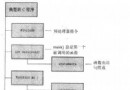
節點結構
typedef struct LinkList {
    int _data;
    struct LinkList *_next;
    struct LinkList *_prev;
} LinkList, *pLinkList;
核心操作函式
| 函式 | 功能 | 關鍵點 |
|---|
| `_BuyNode` | 配置並初始化節點 | 雙向指標皆設 NULL |
| `PushBack` | 尾插 | 維護 `_prev` 指向前驅 |
| `PushFront` | 頭插 | 新節點 `_next` 指向舊頭,舊頭 `_prev` 指向新節點 |
| `PopBack` | 尾刪 | 透過 `_prev` 直接定位倒數第二節點 |
| `PopFront` | 頭刪 | 頭節點後移,新頭 `_prev` 設 NULL |
| `Insert(pos, val)` | 指定節點後插入 | 四個指標重組:pos, pos->_next, newNode |
| `Erase(pos)` | 刪除指定節點 | 處理頭/尾/中間三種情況 |
| `Reverse` | 整表反轉 | 交換每個節點 `_next`/`_prev`,更新頭指標 |
| `DestroyList` | 銷毀整表 | 反覆呼叫 `PopFront` 或雙指標遍歷釋放 |
關鍵操作圖解與程式碼
尾插 PushBack
void PushBack(pLinkList *pHead, int x) {
    pLinkList newNode = _BuyNode(x);
    if (!*pHead) { *pHead = newNode; return; }
    pLinkList tail = *pHead;
    while (tail->_next) tail = tail->_next;
    tail->_next = newNode;
    newNode->_prev = tail;
}
頭插 PushFront
void PushFront(pLinkList *pHead, int x) {
    pLinkList newNode = _BuyNode(x);
    newNode->_next = *pHead;
    if (*pHead) (*pHead)->_prev = newNode;
    *pHead = newNode;
}
中間插入 Insert(在 pos 之後)
void Insert(pLinkList pos, int x) {
    assert(pos);
    pLinkList newNode = _BuyNode(x);
    newNode->_next = pos->_next;
    newNode->_prev = pos;
    if (pos->_next) pos->_next->_prev = newNode;
    pos->_next = newNode;
}
刪除節點 Erase
void Erase(pLinkList *pHead, pLinkList pos) {
    assert(pos);
    if (pos == *pHead) { // 刪除頭節點
        *pHead = pos->_next;
        if (*pHead) (*pHead)->_prev = NULL;
    } else {
        pos->_prev->_next = pos->_next;
        if (pos->_next) pos->_next->_prev = pos->_prev;
    }
    free(pos);
}
整表反轉 Reverse
void Reverse(pLinkList *pHead) {
    pLinkList cur = *pHead;
    pLinkList tmp = NULL;
    while (cur) {
        tmp = cur->_next;       // 保存下一個
        cur->_next = cur->_prev; // 交換 next/prev
        cur->_prev = tmp;
        if (!cur->_prev) *pHead = cur; // 當 prev 為 NULL 時,cur 是新頭
        cur = tmp;
    }
}
測試驗證
int main() {
    pLinkList head = NULL;
    PushFront(&head, 5); PushFront(&head, 4); PushFront(&head, 3);
    PushFront(&head, 2); PushFront(&head, 1); // 1 2 3 4 5
    PrintList(head);

    Insert(Find(head, 1), 6); // 1 6 2 3 4 5
    Erase(&head, Find(head, 2)); // 1 6 3 4 5
    PrintList(head);

    Reverse(&head); // 5 4 3 6 1
    PrintList(head);

    DestroyList(&head);
    PrintList(head); // 空
    return 0;
}
雙向 vs 單向鏈表比較
| 操作 | 單向 | 雙向 |
|---|
| 尾插 | O(n) | O(n) / O(1) 若維護尾指標 |
| 尾刪 | O(n) 需找前驅 | O(1) 透過 _prev |
| 指定節點前插 | O(n) 需找前驅 | O(1) 透過 _prev |
| 反轉 | 三指標法 | 交換 next/prev |
| 空間 | 1 指標 | 2 指標 |
總結
雙向鏈表以額外 `_prev` 指標換取尾部操作與前驅訪問的 O(1) 效能。**核心難點在於指標重組的正確性**:每次修改鏈表結構時,必須同時維護 `next` 與 `prev` 兩組指標,且正確處理頭、尾、空表邊界條件。建議畫圖追蹤指標變化,養成「先保存、再重組、後更新頭尾」的肌肉記憶。