多線程是 Java 並發編程的基石。本文通過一個生動的「選擇旅遊城市」案例,對比演示繼承 Thread 類與實現 Runnable 接口兩種創建線程的寫法,並展示 sleep()、Random、getName() 等核心 API 的使用。
public class Ly_Thread extends Thread {
    @Override
    public void run() {
        Random r = new Random();
        for (int i = 1; i <= 10; i++) {
            try {
                int sleepMs = r.nextInt(1000); // 0-999ms
                Thread.sleep(sleepMs);
                System.out.print(sleepMs + "毫秒,去");
                System.out.println(this.getName()); // 獲取線程名
            } catch (InterruptedException e) {
                e.printStackTrace();
            }
        }
    }

    public static void main(String[] args) {
        Ly_Thread t1 = new Ly_Thread();
        t1.setName("重慶");
        t1.start(); // 啟動線程,調用 run()

        Ly_Thread t2 = new Ly_Thread();
        t2.setName("上海");
        t2.start();
    }
}
public class CityRunner implements Runnable {
    private String cityName;

    public CityRunner(String cityName) {
        this.cityName = cityName;
    }

    @Override
    public void run() {
        Random r = new Random();
        for (int i = 1; i <= 10; i++) {
            try {
                int sleepMs = r.nextInt(1000);
                Thread.sleep(sleepMs);
                System.out.print(sleepMs + "毫秒,去");
                System.out.println(cityName + " [線程:" + Thread.currentThread().getName() + "]");
            } catch (InterruptedException e) {
                e.printStackTrace();
            }
        }
    }

    public static void main(String[] args) {
        Thread t1 = new Thread(new CityRunner("重慶"), "Thread-重慶");
        Thread t2 = new Thread(new CityRunner("上海"), "Thread-上海");
        t1.start();
        t2.start();
    }
}
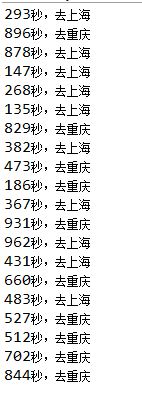
345毫秒,去重慶
12毫秒,去上海
789毫秒,去重慶
...
0毫秒,去上海  <-- 上海先跑完 10 次
決定去上海旅遊!
| 對比項 | 繼承 Thread | 實現 Runnable |
|---|---|---|
| 實現方式 | class MyThread extends Thread | class MyTask implements Runnable |
| 啟動方式 | new MyThread().start() | new Thread(new MyTask()).start() |
| 獲取名稱 | this.getName() | Thread.currentThread().getName() |
| 優勢 | 代碼簡潔,直接訪問 Thread 方法 | 避免單繼承限制,任務與線程分離,支持線程池、Lambda |
| 推薦場景 | 簡單測試、教學演示 | 生產環境、複雜業務、線程池提交 |
當前案例僅打印日志,無「裁判」邏輯。實際開發中可引入 CountDownLatch、AtomicBoolean 或共享標誌位,在 run() 結束時檢查並設置「勝利者」,實現真正的「先到先得」業務邏輯。