| 方法 | 說明 |
|---|
| exists() | 文件/目錄是否存在 |
| mkdir() / mkdirs() | 創建單級/多級目錄 |
| isDirectory() / isFile() | 判斷類型 |
| delete() | 刪除文件/空目錄 |
| createNewFile() | 創建新文件 |
| getAbsolutePath() | 獲取絕對路徑 |
| getName() / getParent() | 獲取名稱/父路徑 |
| listFiles() | 列出子文件/目錄(返回 File[]) |
遞歸遍歷目錄實戰
public static void listDirectory(File dir) throws IOException {
    if (!dir.exists() || !dir.isDirectory()) {
        throw new IllegalArgumentException("無效目錄: " + dir);
    }
    File[] files = dir.listFiles();
    if (files != null) {
        for (File f : files) {
            if (f.isDirectory()) {
                listDirectory(f); // 遞歸
            } else {
                System.out.println(f.getAbsolutePath());
            }
        }
    }
}
三、RandomAccessFile:隨機讀寫文件
支援「讀+寫」模式("rw"),內部維護文件指針,可隨機定位任意位置,適合斷點續傳、大文件隨機訪問場景。
核心方法
getFilePointer() / seek(pos):獲取/設置指針位置read() / write(int):單字節讀寫read(byte[]) / write(byte[]):批量讀寫readInt() / writeInt(int):直接讀寫 int(4 字節,大端序)length():文件長度
實戰:寫入字符串與 int,再完整讀回
RandomAccessFile raf = new RandomAccessFile(file, "rw");
raf.write('A'); raf.write('B');
raf.writeInt(0x7FFFFFFF); // 直接寫入 4 字節
raf.write("中".getBytes("GBK")); // GBK 編碼 2 字節

raf.seek(0); // 重置指針
byte[] buf = new byte[(int) raf.length()];
raf.read(buf); // 一次性讀滿
raf.close();
四、字節流體系:InputStream / OutputStream
核心流類別層次
- 節點流:
FileInputStream、FileOutputStream 直接操作文件
- 處理流/包裝流:
DataInputStream/DataOutputStream:按基本類型讀寫BufferedInputStream/BufferedOutputStream:緩衝區提升性能(8KB 默認)
三種拷貝方式性能對比
// 1. 單字節無緩衝 - 最慢
while ((c = in.read()) != -1) out.write(c);

// 2. 字節數組批量讀寫 - 推薦
byte[] buf = new byte[8 * 1024];
int len;
while ((len = in.read(buf)) != -1) out.write(buf, 0, len);

// 3. 緩衝流單字節 - 有緩衝但單字節調用,次之
BufferedInputStream bis = new BufferedInputStream(in);
BufferedOutputStream bos = new BufferedOutputStream(out);
while ((c = bis.read()) != -1) bos.write(c);
實測 10MB 文件:方式 1 約 20s,方式 2 約 7ms,方式 3 約 10ms。結論:批量讀寫 + 緩衝流是最佳實踐。
五、字符流體系:Reader / Writer
字符流 = 字節流 + 編碼轉換器,處理文本文件首選。
轉換流:橋接字節與字符
InputStreamReader isr = new InputStreamReader(new FileInputStream("utf8.txt"), "UTF-8");
OutputStreamWriter osw = new OutputStreamWriter(new FileOutputStream("out.txt"), "UTF-8");

char[] buf = new char[8192];
int len;
while ((len = isr.read(buf)) != -1) {
    osw.write(buf, 0, len);
}
便捷文件字符流
FileReader / FileWriter:默認使用平台默認編碼,**生產環境不推薦**(跨平台亂碼風險)BufferedReader / BufferedWriter:按行讀寫,readLine()、newLine()PrintWriter:格式化輸出,println()、printf()
六、對象序列化與反序列化
- 實現
Serializable 標記介面(無方法)
ObjectOutputStream.writeObject(obj) 持久化ObjectInputStream.readObject() 恢復transient 關鍵字排除敏感/非必需字段serialVersionUID 顯式聲明版本號,避免反序列化失敗
注意事項
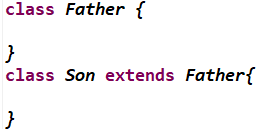
- 父類未實現 Serializable,反序列化時父類構造器會重新執行
- 靜態字段、transient 字段不參與序列化
- 序列化破壞單例模式,需實現
readResolve() 返回實例
- 跨 JVM 版本兼容性需謹慎測試
- 上一篇文章: GC 日誌深度解析:從 Full GC 頻發定位記憶體洩漏
- 下一篇文章: Java 多線程同步代碼塊:解決線程安全問題的核心機制
Copyright ©
程式碼之家 All Rights Reserved