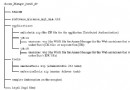
執行 new MyDate(22, 7, 1964) 時,JVM 內部完成四個關鍵步驟:
棧 (Stack)                    堆
┌─────────────────┐          ┌──────────────────────┐
│ 變數: date      │ ──────→  │ MyDate 物件          │
│ (參考/引用)     │          │ day=22               │
└─────────────────┘          │ month=7              │
                             │ year=1964            │
                             └──────────────────────┘
public class Pet {
    protected Bean be = this.b();  // 父類建構時就初始化

    public Bean b() { return new Bean(); }
}

public class People extends Pet {
    public void test() { be.setName("張三"); }
    public void test2() { System.out.println(be.getName()); }

    public static void main(String[] args) {
        People pe = new People();
        pe.test();
        pe.test2();  // 輸出: 張三
    }
}
public void test() {
    Bean be = new Bean();  // 區域變數遮蔽父類欄位!
    be.setName("張三");
}
public void test2() {
    System.out.println(be.getName());  // 輸出: null (存取父類未初始化的 be)
}
原因:父類建構子執行時初始化 be,子類方法中宣告同名區域變數導致遮蔽,實際操作的是不同物件。
public class Singleton {
    private static volatile Singleton instance;

    private Singleton() {}  // 私有建構子防止外部 new

    public static Singleton getInstance() {
        if (instance == null) {
            synchronized (Singleton.class) {
                if (instance == null) {
                    instance = new Singleton();  // 唯一的 new
                }
            }
        }
        return instance;
    }
}
StringBuilder、資料庫連線池)new 看似簡單,實則涉及類載入、記憶體分配、初始化順序、參考賦值等核心機制。理解其背後運作,能避免繼承初始化陷阱、寫出高效能程式碼、正確應用設計模式。