或許給問題以答案,或許給答案以問題,你可能永遠無法看清全部,但總能從一點突破許多。事實的關鍵在於面對問題,我該如何思考?
String Interning(字串駐留)就是這樣一個值得思考的話題。帶著問題思考,我們至少要理清:
string?本文源自朋友 KiMoGiGi 的來函探討。首先從 8 個測試開始,希望讀者沿著示例思考答案:
static void Main()
{
    string s1 = "abc";
    Console.WriteLine(string.IsInterned(s1) ?? "null");
}
static void Main()
{
    string s1 = "ab";
    s1 += "c";
    Console.WriteLine(string.IsInterned(s1) ?? "null");
}
static void Main()
{
    string s1 = "abc";
    string s2 = "ab";
    s2 += "c";
    string s3 = "ab";
    Console.WriteLine(string.IsInterned(s1) ?? "null");
    Console.WriteLine(string.IsInterned(s2) ?? "null");
    Console.WriteLine(string.IsInterned(s3) ?? "null");
}
static void Main()
{
    string s1 = "abc";
    string s2 = "ab";
    string s3 = s2 + "c";
    Console.WriteLine(string.IsInterned(s3) ?? "null");
}
static void Main()
{
    string s2 = "ab";
    s2 += "c";
    Console.WriteLine(string.IsInterned(s2) ?? "null");
    string s1 = "abc";
}
static void Main()
{
    string s2 = "ab";
    s2 += "c";
    Console.WriteLine(string.IsInterned(s2) ?? "null");
    string s1 = GetStr();
}
private static string GetStr() { return "abc"; }
public const string s1 = "abc";
static void Main()
{
    string s2 = "ab";
    s2 += "c";
    Console.WriteLine(string.IsInterned(s2) ?? "null");
}
public static string s1 = "abc";
static void Main()
{
    string s2 = "ab";
    s2 += "c";
    Console.WriteLine(string.IsInterned(s2) ?? "null");
}
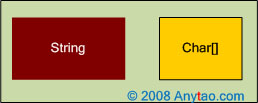
本質上,string 就是一連串有順序的字元集合,也就是 char[]。在 .NET 中 string 首次具有類別概念,符合「一切皆物件」的大一統格局。打開 string 的反組譯程式碼可直擊其本質:
[Serializable, ComVisible(true)]
public sealed class String : IComparable, ICloneable, IConvertible,
    IComparable<string>, IEnumerable<char>, IEnumerable, IEquatable<string>
{
}
string 的基本特性包括:
sealed 關鍵字),為實現恆等性與駐留機制提供基礎保證MSDN 說明:CLR 透過維護一個表(稱為駐留池)來存放字串,該表包含程式中以程式設計方式宣告或建立的每個唯一字串的一個參考。因此,具有特定值的字串執行個體在系統中只有一個。
基本原理:
string 實例,並為雜湊表新增鍵值對;下次查找相同字串時,直接返回該記錄值。注意:動態建立的字串不執行字串駐留機制,例如:
string s1 = "abc";
string s2 = "ab";
string s3 = s2 + "c";
Console.WriteLine(ReferenceEquals(s1, s3)); // false
但「動態」的定義並不簡單。對比 code06 與 code10,僅 string s1 = GetStr(); 位置不同,結果卻大相徑庭——位置差異導致觸發駐留機制的條件不同,這正是透過實例反向驗證的最佳體現。
作為字串駐留機制探討的第一篇,我們從問題出發引出定義與概念。未來篇章將說明:
IsInterned 與 Intern 方法介紹並力圖解釋開篇 8 個示例的結果,對可能情況進行對比推敲。