在 Java 並發編程領域,線程池是提升系統性能、穩定性的核心組件。無論是 JVM 常量池、數據庫連接池,還是各類對象池,其設計哲學殊途同歸——通過複用昂貴資源降低創建銷毀開銷。本文將從原理、源碼、參數配置到自定義實現,全方位剖析線程池的核心機制。
線程池帶來的三大核心收益:
線程池處理任務的決策邏輯可概括為三級判斷:
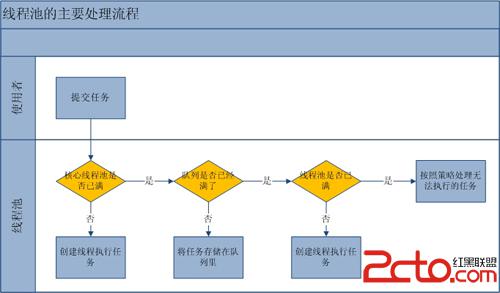
public void execute(Runnable command) {
    if (command == null) throw new NullPointerException();
    int c = ctl.get();
    // 階段1:核心線程不足,嘗試創建
    if (workerCountOf(c) < corePoolSize) {
        if (addWorker(command, true)) return;
        c = ctl.get();
    }
    // 階段2:入隊工作隊列
    if (isRunning(c) && workQueue.offer(command)) {
        int recheck = ctl.get();
        // 二次檢查:線程池關閉或線程意外死亡時的兜底
        if (!isRunning(recheck) && remove(command)) reject(command);
        else if (workerCountOf(recheck) == 0) addWorker(null, false);
    }
    // 階段3:隊列滿,嘗試擴容非核心線程
    else if (!addWorker(command, false)) reject(command);
}addWorker() 將任務封裝為 Worker(實現 Runnable),加入 workers 集合後啟動線程。Worker.run() 循環調用 getTask() 從隊列獲取任務:
final void runWorker(Worker w) {
    Thread wt = Thread.currentThread();
    Runnable task = w.firstTask;
    w.firstTask = null;
    w.unlock();
    boolean completedAbruptly = true;
    try {
        while (task != null || (task = getTask()) != null) {
            w.lock();
            try {
                beforeExecute(wt, task);
                Throwable thrown = null;
                task.run();
                afterExecute(task, thrown);
            } finally {
                task = null;
                w.completedTasks++;
                w.unlock();
            }
        }
        completedAbruptly = false;
    } finally {
        processWorkerExit(w, completedAbruptly);
    }
}| 參數 | 含義 | 調優建議 |
|---|---|---|
| corePoolSize | 核心線程數 | CPU 密集型 ≈ CPU 核心數;IO 密集型 ≈ 2×CPU 核心數 |
| maximumPoolSize | 最大線程數 | 配合隊列類型:有界隊列可設大,無界隊列該參數無效 |
| workQueue | 任務隊列 | ArrayBlockingQueue(有界)、LinkedBlockingQueue(無界)、SynchronousQueue(直接提交) |
| ThreadFactory | 線程工廠 | 建議自定義命名前綴,便於排查問題 |
| RejectedExecutionHandler | 拒絕策略 | AbortPolicy(默認拋異常)、CallerRunsPolicy(調用者執行)、DiscardPolicy(丟棄)、DiscardOldestPolicy(丟棄最舊) |
以下簡易實現展示核心機制:阻塞隊列 + 工作線程循環取任務 + 中斷關閉:
public class DemoThreadPool implements ThreadPool {
    private BlockingQueue workQueue;
    private List workers;
    private volatile boolean isShutdown = false;

    public DemoThreadPool(int num) {
        workQueue = new ArrayBlockingQueue<>(num);
        workers = Collections.synchronizedList(new ArrayList<>());
        for (int i = 0; i < num; i++) {
            DemoThread dt = new DemoThread(workQueue);
            workers.add(dt);
            new Thread(dt, "Worker-" + i).start();
        }
    }

    @Override public void execute(Runnable job) {
        if (isShutdown) throw new IllegalStateException("Pool shutdown");
        try { workQueue.put(job); } catch (InterruptedException e) { Thread.currentThread().interrupt(); }
    }

    @Override public void shutdown() {
        isShutdown = true;
        workers.forEach(DemoThread::stopToSelf);
    }

    static class DemoThread implements Runnable {
        private final BlockingQueue queue;
        private volatile boolean running = true;
        DemoThread(BlockingQueue q) { this.queue = q; }
        public void run() {
            while (running) {
                try { queue.take().run(); }
                catch (InterruptedException e) { if (!running) break; }
            }
        }
        void stopToSelf() { running = false; Thread.currentThread().interrupt(); }
    }
} 線程池是 Java 並發編程的基石,深入理解其原理與參數交互關係,才能在高併發場景下構建穩定、高效的系統。建議結合源碼閱讀、壓測驗證,根據業務特點精細化調優。