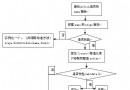
三根柱子 A、B、C。A 柱自下而上疊放 N 個圓盤(大在下、小在上)。規則:
目標:將所有圓盤從 A 移至 C,求移動步驟與最少次數。
將問題分解為三步:
基礎情況:N=1 時直接移動。
package algorithm;

public class Hanoi {
    private static int moveCount = 0;

    public static void main(String[] args) {
        int n = 3; // 圓盤數
        System.out.println("=== 漢諾塔 N=" + n + " 移動步驟 ===");
        solve(n, 'A', 'B', 'C');
        System.out.println("總移動次數:" + moveCount);
        System.out.println("理論最少次數 (2^n - 1):" + ((1 << n) - 1));
    }

    /**
     * @param n 圓盤數
     * @param from 起始柱
     * @param aux 輔助柱
     * @param to 目標柱
     */
    public static void solve(int n, char from, char aux, char to) {
        if (n == 1) {
            System.out.printf("第 %d 步:%c -> %c%n", ++moveCount, from, to);
            return;
        }
        solve(n - 1, from, to, aux); // 步驟 1
        solve(1, from, aux, to);     // 步驟 2
        solve(n - 1, aux, from, to); // 步驟 3
    }
}
=== 漢諾塔 N=3 移動步驟 ===
第 1 步:A -> C
第 2 步:A -> B
第 3 步:C -> B
第 4 步:A -> C
第 5 步:B -> A
第 6 步:B -> C
第 7 步:A -> C
總移動次數:7
理論最少次數 (2^n - 1):7
T(n) = 2*T(n-1) + 1, T(1)=1T(n) = 2^n - 1漢諾塔存在迭代規律:
適合無遞迴支援環境或超大 N(需大整數計數)。
漢諾塔是遞迴教學的經典範例,完美展示「大問題分解為相同結構的子問題」的核心思想。理解其遞迴結構與數學歸納證明,有助於掌握分治法、樹遍歷等進階演算法。