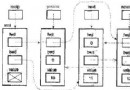
Trie 樹,又稱字典樹或前綴樹,是一種多叉樹結構,本質上是哈希樹的變體。它利用字符串的公共前綴來節省存儲空間,實現極快的字符串檢索、統計與排序,廣泛應用於搜索引擎詞頻統計、自動補全、IP 路由匹配等場景。
isStr 標記是否構成完整字符串;next[26] 指向 26 個小寫字母子節點的指針陣列。#include <iostream>
#include <cstring>
using namespace std;
const int BRANCH_NUM = 26;
struct TrieNode {
bool isStr;
TrieNode* next[BRANCH_NUM];
TrieNode() : isStr(false) {
memset(next, 0, sizeof(next));
}
};
class Trie {
public:
Trie() : root(new TrieNode()) {}
~Trie() { deleteTrie(root); }
void insert(const char* word);
bool search(const char* word) const;
private:
TrieNode* root;
void deleteTrie(TrieNode* node);
};
void Trie::insert(const char* word) {
TrieNode* cur = root;
while (*word) {
int idx = *word - 'a';
if (!cur->next[idx])
cur->next[idx] = new TrieNode();
cur = cur->next[idx];
++word;
}
cur->isStr = true;
}
bool Trie::search(const char* word) const {
TrieNode* cur = root;
while (*word && cur) {
cur = cur->next[*word - 'a'];
++word;
}
return cur && cur->isStr;
}
void Trie::deleteTrie(TrieNode* node) {
for (int i = 0; i < BRANCH_NUM; ++i)
if (node->next[i])
deleteTrie(node->next[i]);
delete node;
}
int main() {
Trie t;
t.insert("a");
t.insert("abandon");
t.insert("abandoned");
t.insert("abashed");
cout << (t.search("abashed") ? "true" : "false") << '\n';
return 0;
}在節點額外存儲 hash_value,配合遞增變量 v,可為每個唯一字符串分配唯一整數 ID:
v = 1。isStr 由 false 變 true,賦值 hash_value = v++;否則直接讀取已有 hash_value。此法可在允許極低碰撞率的場景替代傳統哈希函數,且天然支持前綴查詢。
| 優點 | 缺點 |
|---|---|
| 查找/插入時間複雜度 O(L),L 為字符串長度,與數據量無關 | 記憶體開銷大,特別是字符集大或字符串稀疏時 |
| 天然支持前綴匹配、字典序遍歷 | 非字符串類型需轉換為字符序列 |
| 無哈希碰撞,統計精確 | 刪除操作需引用計數或標記懶刪除,實現較繁瑣 |
Trie 樹是處理大規模字符串集合的利器,掌握其節點設計、插入查找邏輯及記憶體釋放模式,能在面試與工程實戰中遊刃有餘。