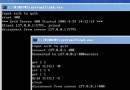
本題給定兩個等長字符串 source 和 target,模擬棧操作:每步可選 i (入棧,讀取 source 下一字符) 或 o (出棧,寫入輸出),要求輸出序列等於 target。輸出所有合法操作序列 (字典序)。
in (0..n),輸出指標 out (0..n),棧頂指標 top (0..n)out ≤ in ≤ n,top = in - outi:in < n 時可執行,stack[top++] = source[in++]o:top > 0 且 stack[top-1] == target[out] 時可執行,out++, top--in == n && out == n,輸出當前操作序列
#include
#include

char source[100], target[100], stack[100], ops[200];
int n;

void dfs(int in, int out, int top, int op_len) {
    if (in == n && out == n) {
        ops[op_len] = '\0';
        for (int i = 0; i < op_len; i++) putchar(ops[i]), putchar(' ');
        putchar('\n');
        return;
    }
    // 嘗試 'i' (入棧) - 字典序優先
    if (in < n) {
        stack[top] = source[in];
        ops[op_len] = 'i';
        dfs(in + 1, out, top + 1, op_len + 1);
    }
    // 嘗試 'o' (出棧)
    if (top > 0 && out < n && stack[top - 1] == target[out]) {
        ops[op_len] = 'o';
        dfs(in, out + 1, top - 1, op_len + 1);
    }
}

int main() {
    while (scanf("%s %s", source, target) == 2) {
        n = strlen(source);
        printf("[\n");
        if (n == strlen(target)) dfs(0, 0, 0, 0);
        printf("]\n");
    }
    return 0;
}
i 再嘗試 o,自然產生字典序遞增的操作序列target[out],大幅減少搜索空間stack + top 模擬,避免 STL stack 開銷[] 中,每行一個序列C_n = (2n)!/(n!(n+1)!)O(C_n * n),空間 O(n) (遞歸深度 + 棧 + 操作序列)n ≤ 100 但實際測試數據較小,DFS 可在時限內通過stack[top-1] == target[out] 直接出棧,產生大量無效序列導致 TLE若 target 包含重複字符,剪枝條件 stack[top-1] == target[out] 依然正確,因為棧頂字符由先前的入棧順序唯一決定,匹配即為唯一合法出棧選擇。