C 語言缺乏模板與泛型機制,但 Linux 核心巧妙利用 struct list_head 實現了型別無關的鏈表容器。近期閱讀核心原始碼時發現大量使用此結構,決定自行實作一個雙向循環泛型鏈表以深入理解其設計精髓。
list_head 嵌入式節點傳統鏈表節點包含資料與指標:
struct Node { int data; struct Node *next; };
Linux 核心反轉設計:**鏈表節點嵌入資料結構中**,而非資料嵌入節點:
struct dclist_head {          // 純粹的鏈表節點,無業務資料
    struct dclist_head *prev;
    struct dclist_head *next;
} dclist_head_t;

struct Student {              // 使用者自定義資料結構
    int id;
    dclist_head_t entry;      // 嵌入鏈表節點
};
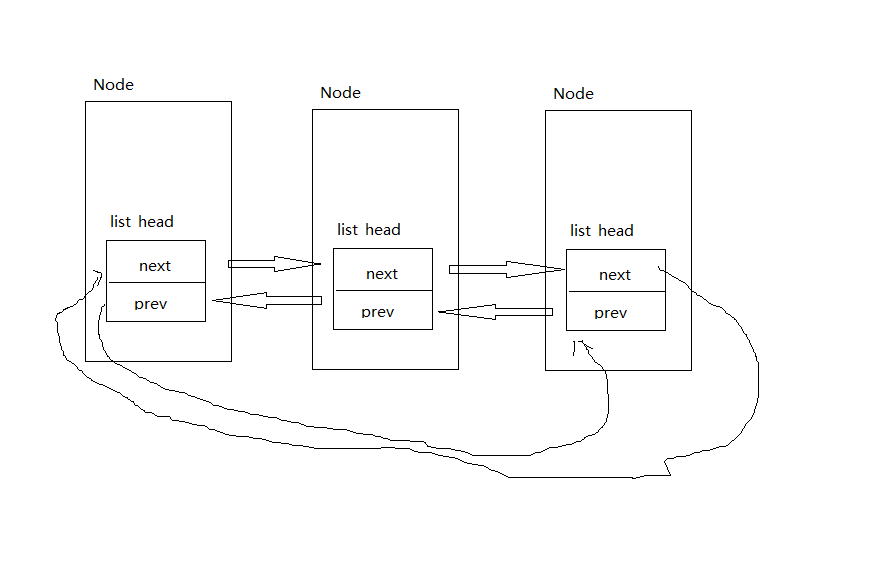
list_entry 宏 — 從節點反推資料結構位址鏈表操作僅涉及 dclist_head_t*,但使用者需要存取完整的 Student 結構。解決方案:計算資料結構起始位址。
#define list_entry(ptr, type, member) \
    ((type *)((char *)(ptr) - (char *)(&((type *)0)->member)))
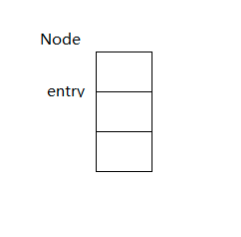
**原理**:(type *)0 建立虛擬基址 0,->member 取得成員在結構中的偏移量,& 取該偏移位址。實際節點位址減去偏移量即得結構起始位址。強轉 char* 以進行位元組級運算,最後轉回 type*。
鏈表核心不處理具體資料,僅提供遍歷、插入、刪除等結構性操作。資料相關邏輯(列印、釋放、比較)由使用者透過函式指標注入:
void treaverse(dclist_head_t *head, void (*pfun)(dclist_head_t *node));
void dc_remove(dclist_head_t *head, void (*pfun)(dclist_head_t *node));
#ifndef DLIST_HEAD
#define DLIST_HEAD

#define list_entry(ptr, type, member) \
    ((type *)((char *)(ptr) - (char *)(&((type *)0)->member)))

typedef struct dclist_head {
    struct dclist_head *prev;
    struct dclist_head *next;
} dclist_head_t;

void init(dclist_head_t *head);
void append(dclist_head_t *head, dclist_head_t *node);
void treaverse(dclist_head_t *head, void (*pfun)(dclist_head_t *node));
void dc_remove(dclist_head_t *head, void (*pfun)(dclist_head_t *node));

#endif
#include#include #include "dclist_head.h" void init(dclist_head_t *head) { if (head) { head->prev = NULL; head->next = NULL; } } void append(dclist_head_t *head, dclist_head_t *node) { if (!head) { printf("error\n"); exit(1); } if (!head->prev && !head->next) { // 空鏈表 head->prev = head->next = node; node->prev = node->next = head; } else { // 尾插(頭節點前) dclist_head_t *tmp = head->prev; tmp->next = node; node->prev = tmp; node->next = head; head->prev = node; } } void treaverse(dclist_head_t *head, void (*pfun)(dclist_head_t *node)) { if (!head || !head->next) return; dclist_head_t *tmp = head->next; while (tmp != head) { pfun(tmp); tmp = tmp->next; } } void dc_remove(dclist_head_t *head, void (*pfun)(dclist_head_t *node)) { treaverse(head, pfun); // 僅呼叫使用者提供的釋放函式 }
#include#include #include "dclist_head.h" typedef struct { int id; dclist_head_t entry; } student_t; void print(dclist_head_t *ptr) { student_t *stu = list_entry(ptr, student_t, entry); if (stu) printf("student id = %d\n", stu->id); } void free_node(dclist_head_t *ptr) { if (!ptr) return; student_t *node = list_entry(ptr, student_t, entry); free(node); } student_t* make_node(int id) { student_t *stu = malloc(sizeof(student_t)); if (stu) stu->id = id; return stu; } int main(void) { dclist_head_t list; init(&list); for (int i = 0; i < 5; i++) { student_t *stu = make_node(i); if (stu) append(&list, &stu->entry); } treaverse(&list, print); dc_remove(&list, free_node); return 0; }
dclist_head_t,無需繼承基底類別。list_head,同時掛載於不同鏈表(如進程同時在執行隊列、哈希桶、記憶體管理鏈表中)。list_entry 編譯期檢查成員名稱,container_of(核心同類巨集)更進一步支援型別推導。Linux 核心的泛型鏈表設計是 C 語言系統程式設計的經典範例:用最樸素的語言特性(結構體嵌入、指標運算、巨集、函式指標)構建出靈活、高效、型別安全的容器抽象。理解並掌握此模式,對於閱讀核心碼、開發高效能 C 系統、設計嵌入式資料結構皆有極大幫助。