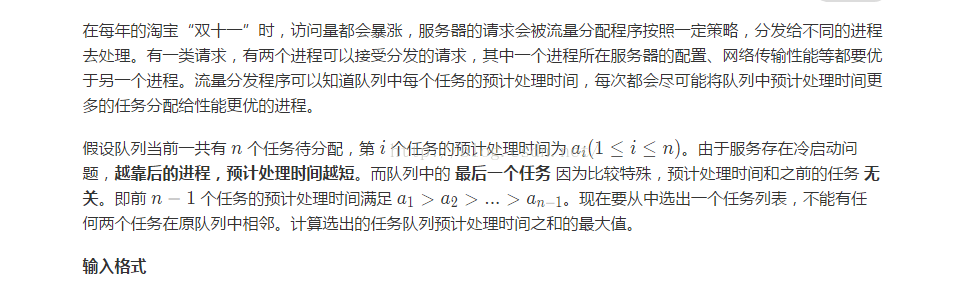
有 n 個人站在無限長的走廊中(行數無限,只考慮列距離)。給出 m 條資訊:「人 a 與人 b 相距 c 列」。判斷有多少條資訊與前面資訊矛盾。
p[x]:父節點dist[x]:節點 x 到其父節點的距離(有向,x 到 p[x] 為正)dist[x] += dist[fa]int find(int x) {
if (p[x] == x) return x;
int fa = p[x];
p[x] = find(p[x]);
dist[x] += dist[fa]; // 累加到新父節點的距離
return p[x];
}bool unite(int a, int b, int c) {
int x = find(a), y = find(b);
if (x == y) {
// 同集合:檢查 a 到 b 的距離是否為 c
// dist[a] = a 到根距離, dist[b] = b 到根距離
// a 到 b = dist[a] - dist[b] (向量減法)
return (dist[a] - dist[b] == c);
}
// 合併:將 y 掛到 x 下,設置 dist[y] 使關係成立
// 要求:dist[a] - (dist[b] + dist[y]) = c
// 解得:dist[y] = dist[a] - dist[b] - c
p[y] = x;
dist[y] = dist[a] - dist[b] - c;
return true;
}#include <cstdio>
#include <cstring>
const int maxn = 50000 + 10;
int p[maxn], dist[maxn];
void init(int n) {
for (int i = 1; i <= n; i++) {
p[i] = i;
dist[i] = 0;
}
}
int find(int x) {
if (p[x] == x) return x;
int fa = p[x];
p[x] = find(p[x]);
dist[x] += dist[fa];
return p[x];
}
bool check(int a, int b, int c) {
int x = find(a), y = find(b);
if (x == y) {
return (dist[a] - dist[b] == c);
}
p[y] = x;
dist[y] = dist[a] - dist[b] - c;
return true;
}
int main() {
int n, m, a, b, c;
while (~scanf("%d%d", &n, &m)) {
init(n);
int ans = 0;
while (m--) {
scanf("%d%d%d", &a, &b, &c);
if (!check(a, b, c)) ++ans;
}
printf("%d\n", ans);
}
return 0;
}根節點 x ↑ dist[a] a ↑ c (given a->b = c) b ↑ dist[b] 根節點 y (合併前) 合併後 y 掛在 x 下,需設定 dist[y] 使向環一致
O(m α(n)),近似線性O(n)dist[x] += dist[fa]dist[y] = dist[a] - dist[b] - c帶權並查集是處理「動態等式系統/相對關係」的利器。本題關鍵在於識別「無限行」意味著只有列距離約束,轉化為一維帶權並查集模型。