ExpandableListView 實現二級列表時,常見崩潰:ClassCastException、NullPointerException、數據顯示錯亂。根因多為數據結構與適配器期望不一致。本文還原排查過程,給出標準數據模型與適配器實現。
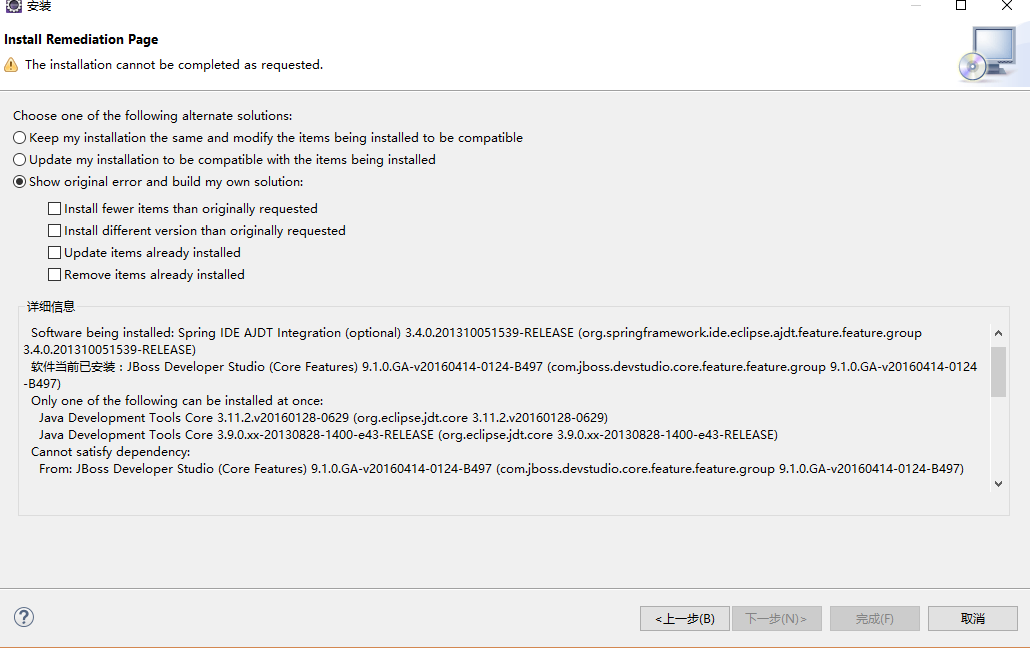
Logcat 截圖顯示數據結構與適配器解析邏輯不匹配(具體異常信息被圖片遮擋,但典型為類型轉換失敗)。


BaseExpandableListAdapter 要求:
List<String> groupList(或自定義對象列表)。Map<String, List<ChildBean>> childMap,Key 必須與 Group 列表對應項一致(通常用 Group 名稱或 ID)。原代碼可能直接用 List<List<ChildBean>> 或自定義對象嵌套,導致 getChild() 取值時類型轉換失敗。
// 1. Group 列表
List<String> groupList = new ArrayList<>();
groupList.add("群組1");
groupList.add("群組2");

// 2. Child Map:Key = Group 名稱,Value = 該群組下的子項列表
Map<String, List<ChildBean>> childMap = new LinkedHashMap<>();

List<ChildBean> children1 = new ArrayList<>();
children1.add(new ChildBean("子項1-1"));
children1.add(new ChildBean("子項1-2"));
childMap.put("群組1", children1);

List<ChildBean> children2 = new ArrayList<>();
children2.add(new ChildBean("子項2-1"));
childMap.put("群組2", children2);public class MyExpandableAdapter extends BaseExpandableListAdapter {
private List<String> groupList;
private Map<String, List<ChildBean>> childMap;
private Context context;
public MyExpandableAdapter(Context context, List<String> groupList, Map<String, List<ChildBean>> childMap) {
this.context = context;
this.groupList = groupList;
this.childMap = childMap;
}
@Override
public int getGroupCount() { return groupList.size(); }
@Override
public int getChildrenCount(int groupPosition) {
String key = groupList.get(groupPosition);
return childMap.get(key).size();
}
@Override
public Object getGroup(int groupPosition) { return groupList.get(groupPosition); }
@Override
public Object getChild(int groupPosition, int childPosition) {
String key = groupList.get(groupPosition);
return childMap.get(key).get(childPosition);
}
@Override
public long getGroupId(int groupPosition) { return groupPosition; }
@Override
public long getChildId(int groupPosition, int childPosition) { return childPosition; }
@Override
public boolean hasStableIds() { return true; }
@Override
public View getGroupView(int groupPosition, boolean isExpanded, View convertView, ViewGroup parent) {
// ... 充氣 group_item.xml,綁定 groupList.get(groupPosition)
}
@Override
public View getChildView(int groupPosition, int childPosition, boolean isLastChild, View convertView, ViewGroup parent) {
String key = groupList.get(groupPosition);
ChildBean bean = childMap.get(key).get(childPosition);
// ... 充氣 child_item.xml,綁定 bean
}
@Override
public boolean isChildSelectable(int groupPosition, int childPosition) { return true; }
}childMap.put(group, new ArrayList<>()) 而非 null,防 NPE。notifyDataSetChanged(),且在 UI 線程。convertView 復用邏輯要正確,使用 ViewHolder 模式。LazyColumn + items 輕鬆實現展開/收起。記住:ExpandableListView 的靈魂是「Group List + Child Map」,數據結構對齊了,90% 的崩潰與顯示異常自動消失。