迭代器模式提供一種方法,能夠順序存取一個容器物件中的各個元素,而無需暴露該物件的內部結構。屬於行為型設計模式。
若問 Java 中應用最廣泛的設計模式,答案非單例、非工廠、非策略,而是迭代器模式。來看一段經典代碼:
public static void print(Collection coll) {
    Iterator it = coll.iterator();
    while (it.hasNext()) {
        String str = (String) it.next();
        System.out.println(str);
    }
}
此方法用於迭代打印字符串集合,內部便使用了迭代器模式。Java 語言已完整實作迭代器模式,Iterator 即迭代器之意。
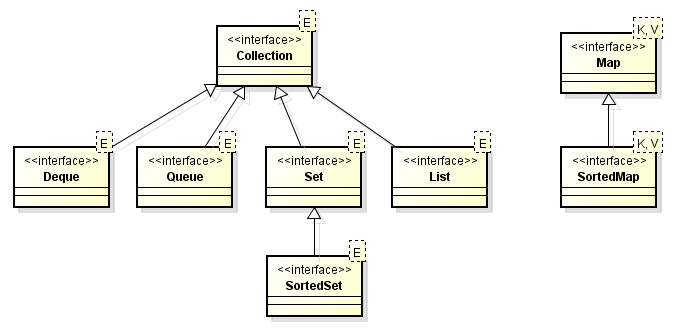
迭代器與聚集(集合、容器)息息相關。聚集可視為一個裝載物件的容器,如 List、Set、Map,甚至陣列。迭代器的作用是將容器中的物件逐一遍歷出來。
iterator() 方法,如 Collection、List、Set。ArrayList、LinkedList、HashSet。first()、next()、isDone()(或 hasNext())、remove()。迭代器模式的規範較寬鬆,具體實作多樣。在 Java Collections 中,具體迭代器通常以內部類形式定義於容器類中,這樣既保護了容器的封裝性,又提供了遍歷算法的擴展點。
以下為 AbstractList 中迭代器實作的核心片段:
public abstract class AbstractList extends AbstractCollection implements List {
    // ...
    public Iterator iterator() {
        return new Itr();
    }

    private class Itr implements Iterator {
        int cursor = 0;
        int lastRet = -1;
        int expectedModCount = modCount;

        public boolean hasNext() {
            return cursor != size();
        }

        public Object next() {
            checkForComodification();
            try {
                Object next = get(cursor);
                lastRet = cursor++;
                return next;
            } catch (IndexOutOfBoundsException e) {
                checkForComodification();
                throw new NoSuchElementException();
            }
        }

        public void remove() {
            if (lastRet == -1) throw new IllegalStateException();
            checkForComodification();
            try {
                AbstractList.this.remove(lastRet);
                if (lastRet < cursor) cursor--;
                lastRet = -1;
                expectedModCount = modCount;
            } catch (IndexOutOfBoundsException e) {
                throw new ConcurrentModificationException();
            }
        }

        final void checkForComodification() {
            if (modCount != expectedModCount)
                throw new ConcurrentModificationException();
        }
    }
}
get() 更直接。迭代器模式與聚集共生共存。一般情況下,實作一個新容器時需同時提供其迭代器。但現代語言的標準庫已內建完善的容器與迭代器,開發者極少需自行實作,直接使用現有 API 即可。