奇偶排序,又稱奇偶換位排序或磚排序,是一種簡單的比較排序,最初設計用於並行計算環境。其核心思想:交替對「奇-偶」索引對和「偶-奇」索引對進行比較交換,直到有序。
在並行架構中,每個處理器持有數組一個元素,奇數階段所有奇數索引處理器同時與右鄰比較交換,偶數階段偶數索引處理器同時操作,實現高併發。Baudet-Stevenson 算法進一步擴展到每處理器持有子數組的情況。
Batcher 奇偶合併排序結合比較-交換與完美洗牌操作,在全互連並行機器上效率更高,是經典並行排序網絡之一。
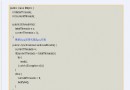
package com.baobaotao.test;

public class Sort {

    /** 奇偶排序 */
    public static void batcherSort(int[] array) {
        int length = array.length;
        boolean swapped;
        do {
            swapped = false;
            // 奇數階段: 索引 1,3,5...
            for (int i = 1; i < length - 1; i += 2) {
                if (array[i] > array[i + 1]) {
                    swap(array, i, i + 1);
                    swapped = true;
                }
            }
            // 偶數階段: 索引 0,2,4...
            for (int i = 0; i < length - 1; i += 2) {
                if (array[i] > array[i + 1]) {
                    swap(array, i, i + 1);
                    swapped = true;
                }
            }
            printArr(array); // 觀察每輪變化
        } while (swapped);
    }

    /** 交換輔助方法 */
    public static void swap(int[] a, int i, int j) {
        int temp = a[i];
        a[i] = a[j];
        a[j] = temp;
    }

    /** 打印數組 */
    public static void printArr(int[] array) {
        for (int v : array) System.out.print(v + " ");
        System.out.println();
    }

    public static void main(String[] args) {
        int[] number = {11, 95, 45, 15, 78, 84, 51, 24, 12};
        batcherSort(number);
    }
}
11 45 15 95 51 78 12 84 24
11 15 45 51 12 95 24 78 84
11 15 12 45 24 51 78 95 84
11 12 15 24 45 51 78 84 95
奇偶排序雖然順序實現效率一般(O(n²)),但其並行特性使其在特定硬體架構(GPU、FPGA、多核集群)上極具價值。理解該算法有助於掌握並行排序網絡的基本構建塊。