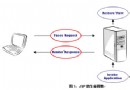
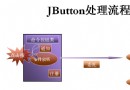
在傳統 Struts+Spring+Hibernate 架構中,Action 透過 getBean() 取得 Service。但若 Service A 需呼叫 Service B,直接 new ServiceB() 會導致 B 內部的 DAO 等依賴無法由容器注入。本文提供一種優雅的解決方案:靜態持有 ApplicationContext。
public class AppContext {
    private static ApplicationContext applicationContext;

    public static ApplicationContext getApplicationContext() {
        return applicationContext;
    }

    public static void setApplicationContext(ApplicationContext ctx) {
        applicationContext = ctx;
    }
}
public class SpringBeanService {
    private static SpringBeanService instance;
    private ApplicationContext applicationContext;

    private SpringBeanService() {}

    public static synchronized SpringBeanService getInstance() {
        if (instance == null) instance = new SpringBeanService();
        return instance;
    }

    public ApplicationContext getApplicationContext() {
        return applicationContext;
    }

    public void setApplicationContext(ApplicationContext ctx) {
        this.applicationContext = ctx;
    }

    // 具體取得 Service 的便利方法
    public UserService getUserService() {
        return (UserService) AppContext.getApplicationContext().getBean("userService");
    }
}
public class ConfigLoadListener implements ServletContextListener {
    public void contextInitialized(ServletContextEvent event) {
        try {
            WebApplicationContext ctx = WebApplicationContextUtils
                .getRequiredWebApplicationContext(event.getServletContext());
            AppContext.setApplicationContext(ctx);  // 關鍵:注入全域持有器

            // 可順便載入其他設定檔
            ServletContext sc = event.getServletContext();
            String path = sc.getInitParameter("setting.properties");
            Properties props = new Properties();
            props.load(sc.getResourceAsStream(path));
            GlobalConstant.setCmdbProperties(props);
        } catch (Exception e) {
            System.err.println("系統初始化失敗: " + e);
            System.exit(1);
        }
    }
    public void contextDestroyed(ServletContextEvent event) {}
}
在 web.xml 註冊該 Listener:
<listener>
  <listener-class>com.yourpkg.ConfigLoadListener</listener-class>
</listener>
public class ServiceA {
    public void doSomething() {
        UserService userService = SpringBeanService.getInstance().getUserService();
        userService.someMethod();
    }
}
| 優點 | 缺點 |
|---|---|
| 零侵入:既有 Service 程式碼無需修改建構子或 Setter | 引入全域狀態,單元測試需額外 Mock ApplicationContext |
| 適用於舊專案快速遷移 | 違反純粹依賴注入原則,新專案建議改用 @Autowired 或建構子注入 |
public ServiceA(ServiceB serviceB) { this.serviceB = serviceB; }ApplicationContextAware 介面搭配非靜態持有器靜態持有 ApplicationContext 是解決舊架構 Service 互調的實用手段,但在新專案中應優先採用標準依賴注入機制,保持程式碼純淨與可測試性。