IEnumerable → GetEnumerator() → IEnumerator
    │                              ├── Current (T)
    │                              ├── MoveNext() (bool)
    │                              └── Dispose()
    └── IEnumerable (非泛型) 為相容性保留
public class ListBoxTest : IEnumerable
{
    private string[] _strings;
    private int _count;

    public ListBoxTest(string str1, string str2)
    {
        _strings = new string[8];
        _strings[0] = str1;
        _strings[1] = str2;
        _count = 2;
    }

    public void Add(string s)
    {
        if (_count < _strings.Length)
            _strings[_count++] = s;
    }

    // 泛型介面實作
    public IEnumerator GetEnumerator()
    {
        for (int i = 0; i < _count; i++)
            yield return _strings[i]; // 編譯器自動生成狀態機
    }

    // 非泛型介面顯式實作
    IEnumerator IEnumerable.GetEnumerator() => GetEnumerator();
}
// 原始碼
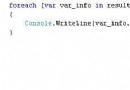
foreach (string s in listBox)
    Console.WriteLine(s);

// 降級後 (簡化)
var enumerator = listBox.GetEnumerator();
try
{
    while (enumerator.MoveNext())
    {
        string s = enumerator.Current;
        Console.WriteLine(s);
    }
}
finally
{
    (enumerator as IDisposable)?.Dispose();
}
IEnumerator 類別
public class ListBoxEnumerator : IEnumerator
{
    private readonly ListBoxTest _collection;
    private int _index = -1;

    public ListBoxEnumerator(ListBoxTest collection) => _collection = collection;

    public string Current => _index >= 0 && _index < _collection.Count
        ? _collection[_index]
        : throw new InvalidOperationException();

    object IEnumerator.Current => Current;

    public bool MoveNext() => ++_index < _collection.Count;

    public void Reset() => _index = -1;

    public void Dispose() { }
}
IEnumerable<T>yield return 而非手寫列舉器IEnumerable.GetEnumerator() 避免命名衝突Current 在 MoveNext() 返回 false 前不可存取IDisposable 釋放非託管資源(檔案、資料庫連線等)
// .NET 4.5+ 建議暴露
public IReadOnlyList Items => _list.AsReadOnly();
// 或
public IReadOnlyCollection Items => _list;
防止呼叫端修改內部集合,語意更清晰。