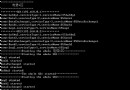
給定位數 n、基數 m(m 進制),生成所有從 0...0 到 (m-1)...(m-1) 的 n 位數。例如 n=3, m=2 生成 000, 001, 010, 011, 100, 101, 110, 111。
a[0..n] 初始化為 0,a[0] 作為哨兵位(進位溢出終止標誌)a[n]++a[j] == m,置 0 向高位進位 j--,重複a[0](j==0),全排列結束
#include <stdlib.h>
#include <stdio.h>

void print_num(int* a, int n) {
    for (int i = 1; i <= n; ++i) printf("%d", a[i]);
    printf("\n");
}

void mixed_radix_num(int n, int radix) {
    int* a = (int*)malloc(sizeof(int) * (n + 1)); // a[0] 哨兵
    if (!a) return;
    for (int j = 0; j <= n; ++j) a[j] = 0;

    while (1) {
        print_num(a, n);       // 輸出當前組合
        int j = n;
        while (a[j] == radix - 1) { // 達到最大值需進位
            a[j] = 0;
            --j;
        }
        if (j == 0) break;     // 哨兵位被修改 → 全排列結束
        ++a[j];                // 進位成功
    }
    free(a);
}

int main() {
    mixed_radix_num(3, 2); // 3 位二進制
    return 0;
}
a[0] 的妙用while (a[j] == radix-1) { a[j]=0; j--; } 一行處理連續進位,if (j==0) break; 一行判斷結束。無需巢狀迴圈或複雜狀態機。
最優:必須輸出 mⁿ 個結果,無法更快。記憶體僅需 n+1 個整數。
若第 i 位基數為 rᵢ(如日期:年無限、月 12、日 31、時 24、分 60),只需將 radix-1 改為 radix[j]-1,radix 變為陣列即可。同樣優雅處理進位。
混合基數計數算法以「哨兵位 + 就地進位」極簡邏輯,實現任意基數、任意位數的全域遍歷。代碼短小、無遞歸、無額外狀態、易擴展混合基數,是組合生成類問題的標準參考實現。掌握其精髓,舉一反三解決各類計數枚舉問題。