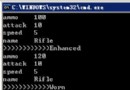
輸入一個數字字符串,將其奇數索引位(0-based:第 1、3、5... 位)的字符逆序,偶數位保持原序,拼接生成新數字字符串輸出。
#include <stdio.h>
int main() {
    char ch1[999], ch2[500];
    int i, j;
    gets(ch1); // 不安全,已棄用
    for (i = 0, j = 0; ch1[i] != '\0'; i++)
        if (i % 2) ch2[j++] = ch1[i], ch2[j] = '\0';
    for (i = 0; ch1[i] != '\0'; i++)
        if (i % 2) printf("%d", ch2[--j] - '0');
        else printf("%d", ch1[i] - '0');
    puts("");
    return 0;
}
| 問題 | 改進 |
|---|---|
gets 無緩衝區保護,極易溢出 | 用 fgets(ch1, sizeof(ch1), stdin) 並去除換行符 |
| 固定大小數組,長度受限 | 動態分配或定義足夠大的常量 MAX_LEN |
| 邏輯雙循環,可合併 | 單次遍歷收集奇數位,再逆序輸出 |
| 無輸入驗證(非數字字符) | 增加 isdigit 檢查 |
| 直接打印數字字符,非數值 | 明確需求:輸出字符串即可,無需轉數值 |
#include <stdio.h>
#include <string.h>
#include <ctype.h>
#include <stdlib.h>

#define MAX_LEN 1024

int main() {
    char input[MAX_LEN];
    if (!fgets(input, sizeof(input), stdin)) return 1;
    input[strcspn(input, "\n")] = '\0'; // 去除換行

    // 驗證全數字
    for (int i = 0; input[i]; ++i)
        if (!isdigit(input[i])) {
            fprintf(stderr, "輸入必須為純數字\n");
            return 1;
        }

    int len = strlen(input);
    char *odd_chars = malloc((len/2 + 1) * sizeof(char));
    int odd_cnt = 0;

    // 收集奇數索引字符
    for (int i = 1; i < len; i += 2)
        odd_chars[odd_cnt++] = input[i];
    odd_chars[odd_cnt] = '\0';

    // 輸出結果
    for (int i = 0, o = odd_cnt - 1; i < len; ++i) {
        if (i % 2 == 1) putchar(odd_chars[o--]);
        else putchar(input[i]);
    }
    putchar('\n');

    free(odd_chars);
    return 0;
}
輸入: 123456789
索引: 0 1 2 3 4 5 6 7 8
奇數位: 2 4 6 8 → 逆序: 8 6 4 2
輸出: 183654729

輸入: 0
輸出: 0

輸入: 12
輸出: 12 (無奇數位)
拒絕 gets,善用 fgets + strcspn 安全讀行;邏輯清晰分階段(收集→逆序→合併),代碼可讀性與健壯性並重。