散列表通過散列函數將鍵映射到數組下標,實現平均 O(1) 的插入、刪除、查找。本文實現基於開放定址法的探測散列表,詳細對比線性探測、平方探測、雙散列三種沖突解決策略,並提供生產級模板代碼。
採用多項式滾動雜湊:hashVal = 37 * hashVal + key[i],最終取模表大小。表大小取素數以減少沖突。
int hash(const string& key, int tableSize) {
    int hashVal = 0;
    for (char c : key) hashVal = 37 * hashVal + c;
    hashVal %= tableSize;
    return hashVal < 0 ? hashVal + tableSize : hashVal;
}enum EntryType { ACTIVE, EMPTY, DELETED };
struct HashEntry {
HashedObj element;
EntryType info;
HashEntry(const HashedObj& e = HashedObj(), EntryType i = EMPTY) : element(e), info(i) {}
};| 策略 | 探測序列 f(i) | 特點 | 缺點 |
|---|---|---|---|
| 線性探測 | f(i) = i | 實現簡單,緩存友好 | 一次聚集,裝填因子>0.5性能急劇下降 |
| 平方探測 | f(i) = i² | 消除一次聚集 | 二次聚集;表大小須為素數且裝填因子≤0.5保證找到空位 |
| 雙散列 | f(i) = i * hash2(x) | 無聚集,探測序列均勻 | 需第二個散列函數,計算稍貴 |
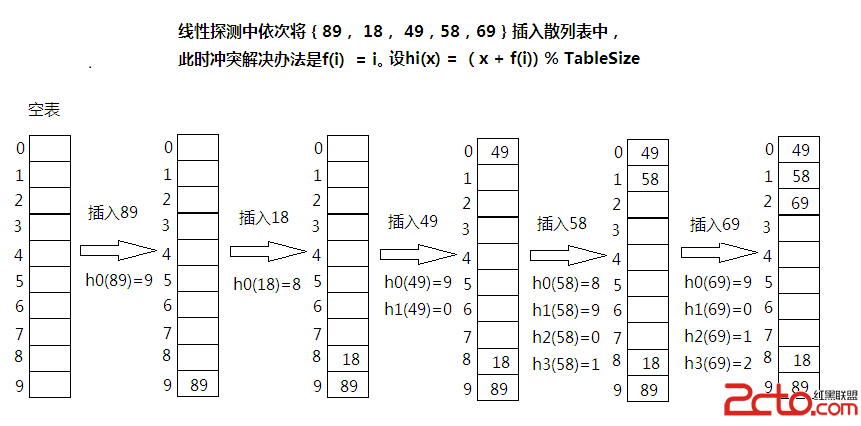
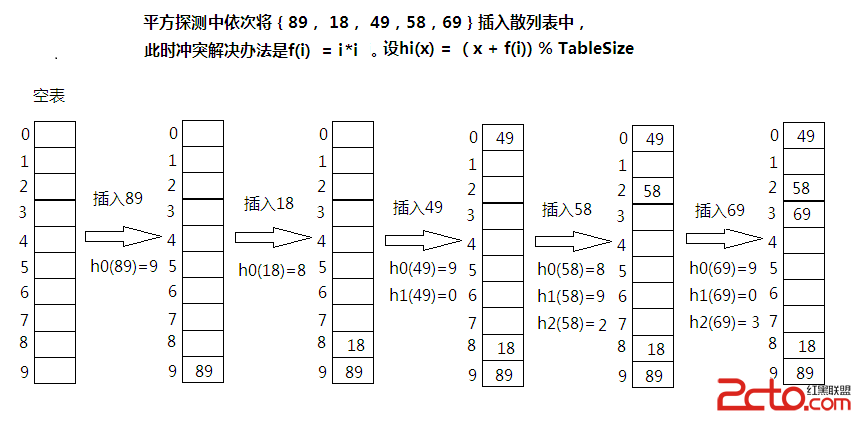
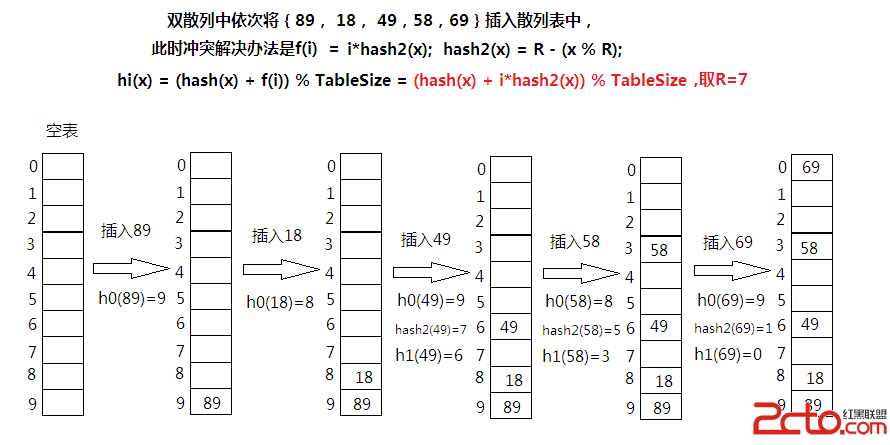
findPos(以平方探測為例)int findPos(const HashedObj& x) {
int offset = 1;
int currentPos = myhash(x);
while (array[currentPos].info != EMPTY && array[currentPos].element != x) {
currentPos += 2 * offset - 1; // 平方探測:f(i) - f(i-1) = 2i-1
if (currentPos >= array.size()) currentPos -= array.size();
offset++;
}
return currentPos;
}insert 與 再散列 rehashbool insert(const HashedObj& x) {
int pos = findPos(x);
if (isActive(pos)) return false; // 已存在
array[pos] = HashEntry(x, ACTIVE);
if (++currentSize > array.size() / 2) rehash(); // 裝填因子>0.5擴容
return true;
}
void rehash() {
vector oldArray = array;
array.resize(nextPrime(2 * oldArray.size()));
fill(array.begin(), array.end(), HashEntry());
currentSize = 0;
for (auto& entry : oldArray)
if (entry.info == ACTIVE) insert(entry.element); // 必須用insert重新計算hash
} remove(懶惰刪除)bool remove(const HashedObj& x) {
int pos = findPos(x);
if (!isActive(pos)) return false;
array[pos].info = DELETED; // 標記刪除,不物理移除
--currentSize;
return true;
}class Employee {
string name; double salary; int seniority;
public:
Employee(const string& n, double s, int se) : name(n), salary(s), seniority(se) {}
const string& getName() const { return name; }
bool operator==(const Employee& rhs) const { return name == rhs.name; }
friend ostream& operator<<(ostream& os, const Employee& e) {
return os << "name: " << e.name << ", salary: " << e.salary << ", seniority: " << e.seniority;
}
};輸出散列表中的內容: 1: element: name: kro, salary: 109, seniority: 9, info = 0 3: element: name: jan, salary: 108, seniority: 8, info = 0 4: element: name: may, salary: 104, seniority: 4, info = 0 5: element: name: bei, salary: 110, seniority: 10, info = 0 6: element: name: usa, salary: 105, seniority: 5, info = 0 17: element: name: ever, salary: 102, seniority: 2, info = 0 18: element: name: sal, salary: 106, seniority: 6, info = 0 21: element: name: peter, salary: 103, seniority: 3, info = 0 22: element: name: linux, salary: 101, seniority: 1, info = 0 測試包含函數containes: containe e10 / not containe e12 測試findElement(): e11: name: jan, salary: 108, seniority: 8 測試isEmpty(): hashTable is not Empty 測試makeEmpty(): hashTable is Empty
std::unordered_map 或成熟庫(如 absl::flat_hash_map)。std::hash。