本文分享兩種自動生成迷宮的演算法:原創遞迴探索法與經典「格點打通法」,並提供完整 C++ 參考實現。
缺點:易產生細碎封閉區塊,視覺效果較雜亂;邊界檢查繁瑣。
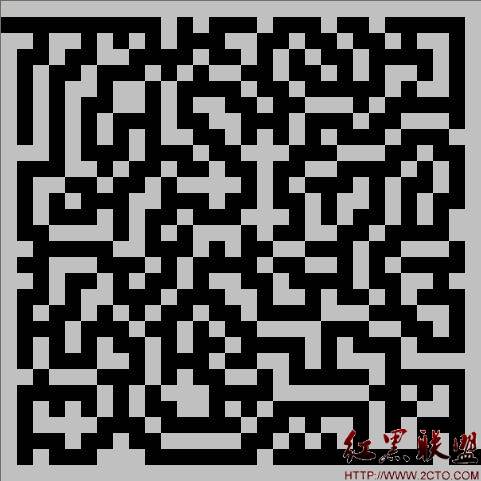
核心思想:預設地圖為間隔分佈的「格點」,僅在格點間打通牆壁形成通道。格點間隔為 2,邊界外圍保留牆壁。
(2*x+3) x (2*y+3),格點座標為偶數索引。#include <iostream>
#include <ctime>
#include <cstdlib>
using namespace std;
#define MAZE_MAX 50
char map[MAZE_MAX+2][MAZE_MAX+2];
const int x = 11, y = 11;
int z1, z2;
void printMaze();
void makeMaze();
int searchPath(int, int);
int main() {
// 初始化全牆壁 (1)
for (int i=0; i<=x*2+2; ++i)
for (int j=0; j<=y*2+2; ++j)
map[i][j] = 1;
makeMaze();
cout << "Tanky Woo" << endl;
printMaze();
}
void printMaze() {
for (z2=1; z2<=y*2+1; z2++) {
for (z1=1; z1<=x*2+1; z1++)
fputs(map[z2][z1]==0 ? " " : "█", stdout);
putchar('\n');
}
cout << endl;
}
void makeMaze() {
// 邊界開口
for (z1=0, z2=2*y+2; z1<=2*x+2; ++z1) {
map[z1][0] = map[z1][z2] = 0;
}
for (z1=0, z2=2*x+2; z1<=2*y+2; ++z1) {
map[0][z1] = map[z2][z1] = 0;
}
map[2][1] = 0; // 入口
map[2*x][2*y+1] = 0; // 出口
srand((unsigned)time(NULL));
searchPath(rand()%x+1, rand()%y+1);
}
int searchPath(int x, int y) {
static int dir[4][2] = {{0,1},{1,0},{0,-1},{-1,0}}; // 右下左上
int zx = x*2, zy = y*2;
map[zx][zy] = 0; // 打通當前格點
int turn = rand()%2 ? 1 : 3; // 隨機決定順/逆時針
for (int i=0, next=rand()%4; i<4; ++i, next=(next+turn)%4) {
int nx = zx + 2*dir[next][0];
int ny = zy + 2*dir[next][1];
if (map[nx][ny] == 1) { // 目標格點未訪問
map[zx+dir[next][0]][zy+dir[next][1]] = 0; // 打通中間牆
searchPath(x+dir[next][0], y+dir[next][1]);
}
}
return 0;
}完整專案:https://up.2cto.com/2011/1118/20111118024909417.rar
格點打通法代碼更精簡、生成迷宮結構更優美,是實務首選。理解遞迴回溯與隨機化方向選擇是掌握迷宮生成的關鍵。