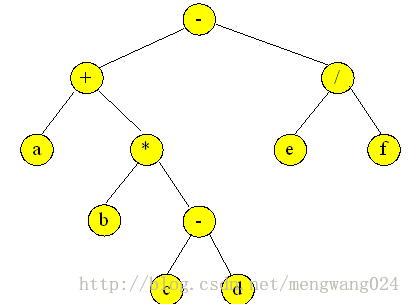
組合模式將對象組合成樹形結構以表示「部分-整體」層次關係,使得客戶端代碼對單個對象(葉子)和組合對象(容器)的使用具有一致性。
add/remove/getChild,遞歸調用子節點操作
// 抽象構件
abstract class MenuComponent {
    public void add(MenuComponent c) { throw new UnsupportedOperationException(); }
    public void remove(MenuComponent c) { throw new UnsupportedOperationException(); }
    public MenuComponent getChild(int i) { throw new UnsupportedOperationException(); }
    public String getName() { throw new UnsupportedOperationException(); }
    public String getDescription() { throw new UnsupportedOperationException(); }
    public double getPrice() { throw new UnsupportedOperationException(); }
    public boolean isVegetarian() { throw new UnsupportedOperationException(); }
    public abstract void print();
}

// 葉子:菜單項
class MenuItem extends MenuComponent {
    private String name, description; private boolean vegetarian; private double price;
    public MenuItem(String n, String d, boolean v, double p) { ... }
    public String getName() { return name; }
    public String getDescription() { return description; }
    public double getPrice() { return price; }
    public boolean isVegetarian() { return vegetarian; }
    public void print() {
        System.out.print(" " + getName());
        if (isVegetarian()) System.out.print("(v)");
        System.out.println(", " + getPrice() + " -- " + getDescription());
    }
}

// 容器:菜單
class Menu extends MenuComponent {
    private List<MenuComponent> items = new ArrayList<>();
    private String name, description;
    public Menu(String n, String d) { name=n; description=d; }
    public void add(MenuComponent c) { items.add(c); }
    public void remove(MenuComponent c) { items.remove(c); }
    public MenuComponent getChild(int i) { return items.get(i); }
    public String getName() { return name; }
    public String getDescription() { return description; }
    public void print() {
        System.out.println("\n" + getName() + ", " + getDescription());
        System.out.println("---------------------");
        for (MenuComponent c : items) c.print(); // 遞歸調用
    }
}

// 客戶端:服務員
class Waitress {
    private MenuComponent allMenus;
    public Waitress(MenuComponent menus) { allMenus = menus; }
    public void printMenu() { allMenus.print(); }
}
| 優點 | 缺點 |
|---|---|
| ① 簡化客戶端代碼,統一處理葉子與容器 | ① 設計過於通用,可能導致類層次過深 |
| ② 易於添加新類型的構件 | ② 難以限制容器中允許的子構件類型 |
| ③ 符合開閉原則 | ③ 在功能差異大的葉子/容器間強行統一接口可能不自然 |
組合模式是處理樹形結構的利器。關鍵在於定義良好的 Component 接口,讓葉子與容器共享公共行為,並在容器中遞歸委派操作。菜單系統、文件目錄、組織架構圖都是其典型應用場景。