頻繁 new/delete 小對象(如鏈表節點)會導致內存碎片與分配開銷大。解決方案:預分配大塊原始內存,維護一個「自由列表」(free list),分配時從列表取對象並構造,釋放時析構後歸還列表,不歸還給系統。
模板類 `CachedObj
- `operator new(size_t)`:從自由列表取對象,空則批量分配。
- `operator delete(void*, size_t)`:將對象歸還自由列表。
- 靜態成員管理自由列表:`freeStore`(頭指針)、`chunk`(每次擴容塊大小)、`alloc_mem`(allocator)、`add_to_freelist`(鏈接節點)。
- `next` 指針嵌入基類,僅在對象空閒時用於串聯自由列表。
template <typename T> class CachedObj {
public:
    void *operator new(std::size_t);
    void operator delete(void *, std::size_t);
    virtual ~CachedObj() {}
protected:
    T *next;
private:
    static void add_to_freelist(T *);
    static std::allocator<T> alloc_mem;
    static T *freeStore;
    static const std::size_t chunk;
};

template <typename T>
void *CachedObj<T>::operator new(std::size_t sz) {
    if (sz != sizeof(T)) throw std::runtime_error("CacheObj: wrong size object in operator new");
    if (!freeStore) {
        T *array = alloc_mem.allocate(chunk);
        for (size_t i = 0; i != chunk; ++i)
            add_to_freelist(&array[i]);
    }
    T *p = freeStore;
    freeStore = freeStore->CachedObj<T>::next;
    return p;
}

template <typename T>
void CachedObj<T>::operator delete(void *p, std::size_t) {
    if (p != 0) add_to_freelist(static_cast<T*>(p));
}

template <typename T>
void CachedObj<T>::add_to_freelist(T *p) {
    p->CachedObj<T>::next = freeStore;
    freeStore = p;
}

template <typename T> std::allocator<T> CachedObj<T>::alloc_mem;
template <typename T> T *CachedObj<T>::freeStore = 0;
template <typename T> const std::size_t CachedObj<T>::chunk = 24;
class Screen : public CachedObj<Screen> { ... };

template <typename T>
class QueueItem : public CachedObj< QueueItem<T> > { ... };
派生類無需修改其他代碼,自動獲得池化分配能力。
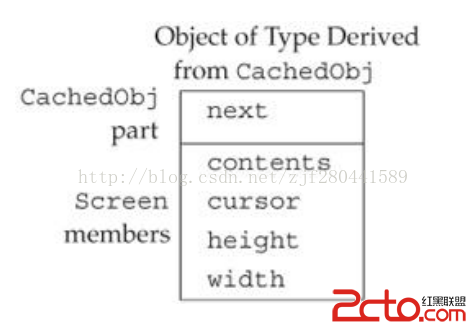
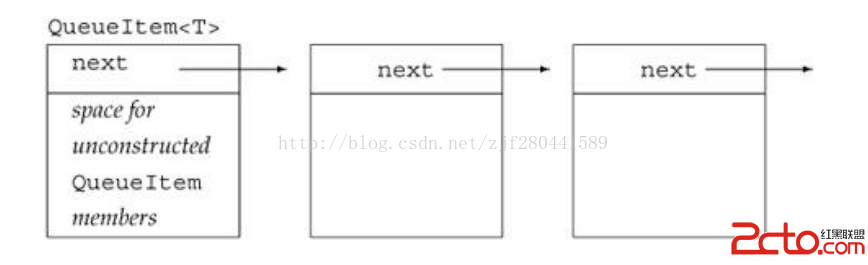
對象在使用時包含業務數據 + 繼承的 next 指針(無意義);空閒時 next 串聯自由列表。
class iStack {
public:
    iStack(int capacity) : stack(capacity), top(0) {}
    iStack() : top(0) {}
private:
    vector<int> stack;
    int top;
};

int main() {
    iStack *ps = new iStack(20);
    const iStack *ps2 = new const iStack(15);
    iStack *ps3 = new iStack[100];
}
CachedObj 封裝了自由列表分配策略,通過繼承複用,極大降低了為每個類單獨實現池化的成本。體現了 C++「零開銷抽象」與模板元編程的威力。