手動實現動態字符串管理,包含:
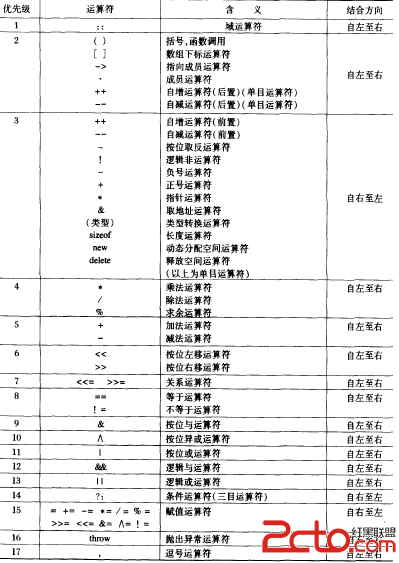
>>、<<、==、>、<、=class String {
public:
String(const char* str = NULL); // 普通構造
String(const String& other); // 拷貝構造
~String(); // 析構
String& operator=(const String& other); // 賦值重載
friend bool operator==(const String&, const String&);
friend bool operator>(const String&, const String&);
friend bool operator<(const String&, const String&);
friend ostream& operator<<(ostream&, const String&);
friend istream& operator>>(istream&, String&);
private:
char* m_data;
};
String::String(const char* str) {
    if (str == NULL) {
        m_data = new char[1];
        *m_data = '\0';
    } else {
        int len = strlen(str);
        m_data = new char[len + 1];
        strcpy(m_data, str);
    }
}

String::~String() { delete[] m_data; }

String::String(const String& other) {
    int len = strlen(other.m_data);
    m_data = new char[len + 1];
    strcpy(m_data, other.m_data);
}

String& String::operator=(const String& other) {
    if (this == &other) return *this;  // 自賦值檢查
    delete[] m_data;
    int len = strlen(other.m_data);
    m_data = new char[len + 1];
    strcpy(m_data, other.m_data);
    return *this;
}
ostream& operator<<(ostream& os, const String& s) {
    os << s.m_data;
    return os;
}

istream& operator>>(istream& is, String& s) {
    char buf[256];
    is >> buf;
    int len = strlen(buf);
    delete[] s.m_data;
    s.m_data = new char[len + 1];
    strcpy(s.m_data, buf);
    return is;
}
bool operator==(const String& s1, const String& s2) {
    int len1 = strlen(s1.m_data), len2 = strlen(s2.m_data);
    if (len1 != len2) return false;
    for (int i = 0; i < len1; ++i)
        if (s1.m_data[i] != s2.m_data[i]) return false;
    return true;
}

bool operator>(const String& s1, const String& s2) {
    int len = min(strlen(s1.m_data), strlen(s2.m_data));
    for (int i = 0; i < len; ++i) {
        if (s1.m_data[i] > s2.m_data[i]) return true;
        if (s1.m_data[i] < s2.m_data[i]) return false;
    }
    return strlen(s1.m_data) > strlen(s2.m_data);
}

bool operator<(const String& s1, const String& s2) {
    int len = min(strlen(s1.m_data), strlen(s2.m_data));
    for (int i = 0; i < len; ++i) {
        if (s1.m_data[i] < s2.m_data[i]) return true;
        if (s1.m_data[i] > s2.m_data[i]) return false;
    }
    return strlen(s1.m_data) < strlen(s2.m_data);
}
int main() {
    String s; cin >> s; cout << "s: " << s << endl;

    String a = "1234";
    String b(a);   // 拷貝構造
    String c; c = a; // 賦值

    cout << "a: " << a << " b: " << b << " c: " << c << endl;

    if (s > b) cout << "s > b";
    else if (s < b) cout << "s < b";
    else cout << "s == b";
    cout << endl;
    return 0;
}
strcpyif (this == &other) return *this;const String&m_data此實現覆蓋了 C++ 類設計的核心:資源管理(RAII)、拷貝控制、運算符重載、流式輸入輸出,是掌握 C++ 底層機制的優秀練習。