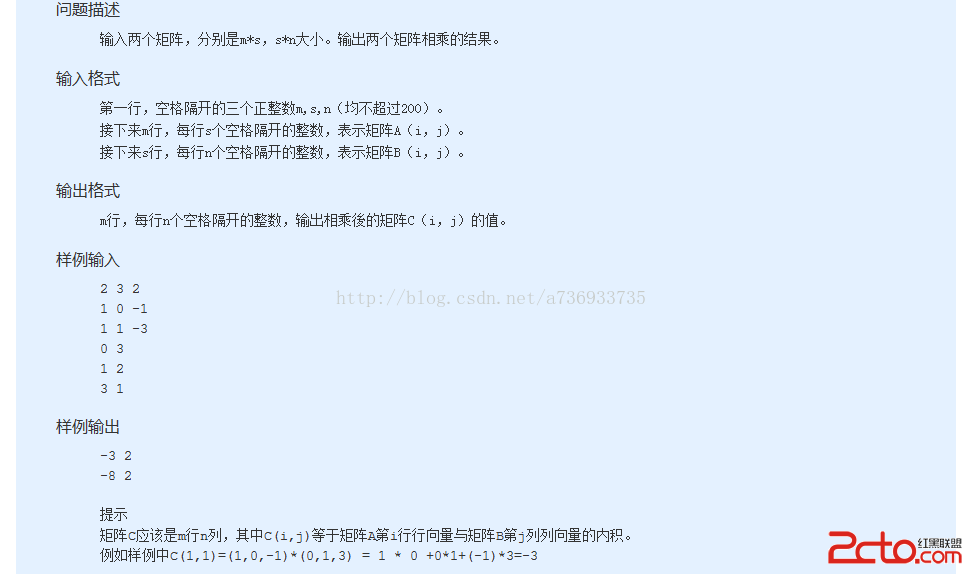
輸入鏈表長度 n (0 ≤ n ≤ 1000) 及 n 個節點值,反轉鏈表並輸出。多測試用例至 EOF。n=0 輸出 NULL。必須使用鏈表結構實現。
tail,新節點接在尾部,O(n) 建表。初始: head -> 1 -> 2 -> 3 -> 4 -> 5 步驟1: 取 2, head -> 2 -> 1 -> 3 -> 4 -> 5 步驟2: 取 3, head -> 3 -> 2 -> 1 -> 4 -> 5 ... 最終: head -> 5 -> 4 -> 3 -> 2 -> 1
只需一個 prev 指向已反轉部分最後一個節點,curr 指向待處理節點,迭代調整指針。
#include#include using namespace std; struct LNode { int data; LNode* next; LNode(int v=0): data(v), next(nullptr) {} }; LNode* createList(int n) { LNode* head = new LNode(); // 哑節點 LNode* tail = head; for (int i = 0; i < n; ++i) { int val; cin >> val; tail->next = new LNode(val); tail = tail->next; } return head; } LNode* reverseList(LNode* head) { LNode* prev = head->next; // 第一個節點作為已反轉部分尾部 if (!prev) return head; LNode* curr = prev->next; prev->next = nullptr; // 斷開,已反轉部分結尾 while (curr) { LNode* next = curr->next; curr->next = head->next; // 插到頭結點後 head->next = curr; curr = next; } return head; } void printList(LNode* head) { LNode* p = head->next; if (!p) { cout << "NULL\n"; return; } cout << p->data; p = p->next; while (p) { cout << ' ' << p->data; p = p->next; } cout << '\n'; } int main() { ios::sync_with_stdio(false); cin.tie(nullptr); int n; while (cin >> n) { if (n == 0) { cout << "NULL\n"; continue; } LNode* head = createList(n); head = reverseList(head); printList(head); // 釋放內存(OJ 通常不強求,但好習慣) LNode* p = head; while (p) { LNode* t = p; p = p->next; delete t; } } return 0; }
ios::sync_with_stdio(false); cin.tie(nullptr); 加速大量輸入。九度 1518 是鏈表基本操作的綜合考查:尾插建表 + 頭插反轉 + 遍歷輸出。掌握哑節點技巧與指針操作不變量(如反轉時保持「已反轉部分」與「待處理部分」分離),是鏈表題目的核心功夫。